Septic Services and Tank Pumping: How It Works
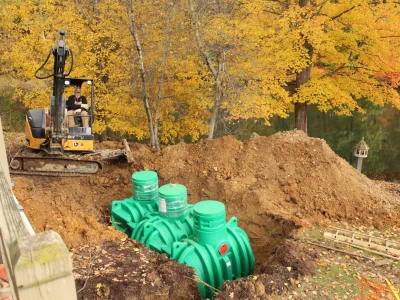

For most property owners, a septic system stays out of mind until something smells wrong, drains slow down, or wet ground starts showing up where it should not. That is understandable. A septic system is buried, quiet, and designed to work in the background for years at a time. Still, it is one of the most important pieces of infrastructure on any home or small commercial property that is not connected to a municipal sewer.
Understanding how septic services work, especially tank pumping, helps owners avoid expensive repairs and make better maintenance decisions. It also clears up a surprisingly common misconception: pumping the tank is not the same as fixing every septic problem. It is essential maintenance, but it is only one part of a larger system that relies on proper flow, healthy separation inside the tank, and a drain field that can still absorb treated wastewater.
After years around properties with onsite wastewater systems, one thing becomes clear very quickly. The people who have the fewest emergencies are usually not the ones with the newest systems. They are the ones who understand the https://zanecpnp936.capitaljays.com/posts/septic-services-explained-pumping-cleaning-and-repairs basics, keep records, and treat the system with a little respect.
What a septic system is actually doing underground
A septic system handles wastewater from toilets, sinks, showers, washing machines, and sometimes dishwashers. Everything leaves the home through one main sewer line and enters the septic tank. That tank is not just a holding container. It is a separation chamber.
Inside the tank, solids settle to the bottom and form sludge. Grease, soap residue, and lighter material float to the top and form scum. Between those layers is a middle zone of partially clarified liquid called effluent. That effluent leaves the tank through an outlet baffle or filter and moves into the drain field, where it percolates through soil for final treatment.
That separation is the whole reason the tank exists. If too many solids leave the tank, they can clog the drain field. Once a drain field is badly damaged, the repair cost can move from manageable maintenance into a major property expense. Pumping the tank on schedule protects that downstream part of the system.
Why pumping matters more than people think
A septic tank does not empty itself. Even though bacteria break down some organic material, they do not make solids disappear. Sludge accumulates. Scum accumulates. Over time, there is less room inside the tank for wastewater to separate properly.
When the sludge layer gets too high, or the scum layer gets too thick, solids begin moving where they should not. Sometimes that means they get pushed into the drain field. Sometimes it means the house starts showing symptoms first, like toilets that gurgle or tubs that drain slowly after laundry day. In more advanced cases, wastewater can back up into the home or surface in the yard.
That is why septic services are preventive by nature. A routine pumping visit is much cheaper than replacing a failed drain field, excavating a collapsed tank, or repairing interior water damage from a backup.
The timing varies. A small household with conservative water use may go several years between pump-outs. A larger family, a home with a garbage disposal, or a property that hosts frequent guests may need service much sooner. Tank size matters too. A 1,000-gallon tank serving five people lives a very different life than a 1,500-gallon tank serving two.
What happens during a septic pumping appointment
Homeowners sometimes imagine tank pumping as a quick vacuum job, like emptying a giant barrel. A proper service visit is more involved than that.
The crew first locates and accesses the tank. On some properties, the lids are exposed or marked. On others, they are buried under several inches of soil. If risers were installed to bring access to grade, the job is easier, cleaner, and usually less expensive over time. Without risers, every visit may involve probing and digging.
Once the lids are open, the technician checks the condition of the tank and the levels inside it. A good operator is not just there to remove waste. They are also looking for warning signs: broken baffles, damaged tees, root intrusion, signs of backflow from the drain field, excess solids in the outlet side, or evidence that the tank has gone too long without maintenance.
The truck hose is then used to remove the contents of the tank. In many cases, the operator will stir the contents or backflush some material to break up dense sludge and floating mats so the tank can be cleaned more thoroughly. A half-done pumping leaves heavy solids behind, which defeats much of the purpose. On older tanks especially, you want the service to remove sludge from the bottom, not just skim off liquid from the top.
If the system has an effluent filter, that may be cleaned during the visit. Filters can do an excellent job of keeping solids out of the drain field, but they also need maintenance. A neglected filter can cause backups that look like a major septic failure when the real issue is far simpler.
Before closing everything up, the technician may note the approximate condition of the tank structure and recommend a pumping interval based on what they found. That recommendation matters. If a tank that was pumped three years ago is already carrying unusually high solids, the household may need a shorter cycle or a closer look at water use patterns.
The practical steps of a pumping job
The basic sequence usually looks like this:
- Locate the tank and uncover access lids if needed.
- Open the tank and inspect liquid levels, baffles, and visible components.
- Pump the contents completely, including settled sludge and floating scum.
- Clean the effluent filter if the system has one.
- Close the tank securely and document any concerns or recommended follow-up.
That is the ideal. Real-world service can vary depending on age of the system, weather, site access, and whether the lids or risers are easy to reach.
How often a tank should be pumped
There is no honest one-size-fits-all answer. Anyone who gives a flat pumping schedule without asking about tank size, occupancy, and use patterns is simplifying too much.
A common planning range for many homes is every three to five years. But that is only a baseline. Plenty of systems need attention closer to every two to three years, and some lightly used properties can safely go longer if inspections support it. Vacation homes can be an odd case. They produce less total wastewater, but long idle periods and sudden heavy use weekends can create their own maintenance pattern.
A few factors push pumping frequency upward. Large households do it first. More people means more wastewater and more solids. Garbage disposals also contribute more suspended solids than many owners realize. So do frequent long showers, multiple loads of laundry back to back, and leaking fixtures that quietly overload the system every day.
I have seen homes with no obvious plumbing problems where the septic tank filled faster than expected because a toilet flapper was leaking around the clock. The owners noticed nothing except greener grass near the field and a pump-out schedule that kept shrinking. A small indoor leak can become a big septic issue when it never stops.
Pumping is maintenance, not a cure-all
This is where misunderstandings cause trouble. Pumping helps restore the tank's working volume and removes accumulated solids. It does not repair a broken baffle, open a crushed line, fix saturated soil, or reverse a truly failed drain field.
Sometimes a homeowner schedules pumping because drains are backing up. If the tank is overdue, pumping may relieve the problem. If the issue is a blocked house line, a clogged effluent filter, a failing pump chamber, or a drain field that can no longer accept water, the relief may be short-lived or nonexistent.
That does not make pumping unnecessary. It means diagnosis matters. Good septic services include judgment, not just equipment. A technician should be able to say, based on liquid level and what is happening inside the tank, whether the problem appears to be upstream, in the tank itself, or downstream in the field.
A high liquid level above the outlet often suggests downstream trouble. If the tank is full because the drain field is not taking effluent, pumping may buy time but will not solve the root problem. On the other hand, if the level is normal and the backup is limited to one fixture, the issue may be plumbing inside the home rather than the septic system at all.
Warning signs you should not ignore
Some system failures announce themselves dramatically. Others whisper for months first. Knowing the early signs can save a lot of money.
- Slow drains throughout the home, especially after high water use
- Gurgling sounds at drains or toilets
- Sewage odors near the tank, yard, or basement
- Wet or unusually green patches over the drain field
- Backups into tubs, showers, or lower-level fixtures
Each of these can have more than one cause, but none should be dismissed casually. The pattern matters. One slow sink might be a local clog. Several fixtures acting up after laundry day is a different story.
What affects the cost of septic services
Costs vary by region, disposal fees, tank size, accessibility, and the condition of the system. It is generally less expensive to pump a standard residential tank that has exposed risers and easy truck access than to service a tank that has to be located, dug up, and reached with a long hose run across difficult terrain.
Extra compartments, buried lids, pump chambers, filters, alarms, and lift stations can add labor or service time. Emergency calls also cost more than planned maintenance. If a truck is being dispatched after hours for an active sewage backup, that is a different job than a scheduled weekday pump-out.
Homeowners sometimes hesitate at the price of a routine pumping, then spend far more handling a backup or field repair later. From a budget standpoint, septic maintenance behaves a lot like roof maintenance. The routine work feels optional right up until the day neglect becomes expensive.
The role of inspections during routine service
A pumping visit is one of the best times to assess the health of the system because the tank is open and visible. That makes it an opportunity, not just a disposal event.
The technician can check whether inlet and outlet baffles are intact. Those pieces are more important than they look. Their job is to control flow and help prevent scum and solids from moving where they do not belong. If an outlet baffle is missing or damaged, the drain field is at greater risk.
The service can also reveal whether the tank itself is structurally sound. Cracks, signs of infiltration, corrosion in concrete or metal components, and settling around the lids all deserve attention. Older steel tanks are a special concern. Many have long since deteriorated to the point where replacement is the only safe answer. Even concrete tanks, while durable, are not immortal.
If your system includes pumps, floats, or alarms, those parts need inspection too. A pump chamber failure can mimic a clogged system because wastewater stops moving as designed. Electrical controls and float switches are often overlooked until something goes wrong.
Habits that shorten septic system life
Day-to-day use matters more than most owners expect. A healthy septic system is not fragile, but it is not a trash can either.
What goes down the drain affects sludge accumulation and treatment efficiency. Grease, wipes labeled flushable, paper towels, dental floss, feminine hygiene products, cat litter, harsh solvents, and large doses of antibacterial or caustic cleaners can all create problems. Some do not break down. Some clog lines. Some disrupt the biological balance in the tank.
Water use patterns matter just as much as what gets flushed. Septic systems prefer steady flow, not sudden hydraulic surges. Running several heavy water appliances back to back can push unsettled solids out of the tank prematurely. That is why spreading out laundry loads over the week is usually better than doing eight loads on Saturday.
Outdoor use matters too. Driving over the drain field can compact soil or damage buried lines. Planting trees too close can lead to root intrusion. Directing roof runoff toward the field can oversaturate soil that is supposed to receive only treated effluent.
Additives, bacteria treatments, and other popular shortcuts
This topic comes up constantly, and the most practical answer is also the least exciting. Additives are not a substitute for pumping.
Some products claim to restore bacterial activity, digest sludge, eliminate the need for pumping, or revive a struggling drain field. The reality is more cautious. Normal household wastewater already introduces bacteria into the tank. While there may be niche cases where a professional recommends a specific product, most systems do not need miracle treatments. They need sensible use and regular maintenance.
The risk with aggressive additives is that they can suspend solids rather than remove them, increasing the chance that material leaves the tank and reaches the drain field. That is the part of the system you most want to protect. If a product sounds too good to be true, it usually is.
What homeowners can do before the truck arrives
A little preparation makes service smoother. If you know where the tank is, mark it clearly. If the lids are buried shallowly and you are comfortable exposing them, that can save time, though many owners prefer the service provider handle it. Keep pets secured, move vehicles that block access, and let the company know about gates, soft ground, or long hose distances.
It also helps to gather any records you have. Previous pumping dates, tank size, an as-built drawing, pump model information, or notes about past repairs can be very useful. Septic history often lives in fragments. A receipt here, a sketch there, a memory that the field was extended ten years ago. When those details are written down, future service becomes more informed and less guesswork.
Special cases that change the service approach
Not every property has a simple gravity system. Some have lift stations or pump tanks because the drain field sits uphill from the house or because the site layout requires pressure distribution. Those systems add mechanical components that need periodic testing and maintenance.
Homes with garbage disposals typically build solids faster. Short-term rentals can also be hard on septic systems because occupancy swings wildly and guests rarely know or follow good septic habits. Waterfront properties present another challenge because of high groundwater or tight site constraints. In those cases, the margin for error is smaller, and maintenance matters even more.
Commercial or mixed-use buildings can be another category entirely. A small office, church, or seasonal business may have wastewater patterns that look nothing like a single-family home. That affects tank loading, inspection needs, and pumping intervals.
Choosing a septic service provider
The best septic services combine proper equipment with good observation and plainspoken advice. You want a company that can explain what they found without theatrics or vague alarmism. Septic work is serious enough without scare tactics.
Ask whether they document the service, inspect baffles, and clean filters when applicable. A professional provider should be willing to discuss tank size, service interval, and any visible concerns. If a system appears to have a larger problem than a simple pump-out, they should say so directly.
Price matters, but so does thoroughness. A cheap pump-out that leaves most of the sludge in place is not a bargain. Neither is a company that pumps the tank and disappears without mentioning the broken outlet tee they saw while standing over the open lid.
The long view on system life
A well-built septic system can last a long time, especially when the tank is pumped before solids threaten the field and the drain field is not overloaded. But longevity is earned. It depends on soil conditions, installation quality, water use, and maintenance discipline.
The biggest financial mistake owners make is treating the system as invisible infrastructure that never needs attention. The second biggest mistake is assuming every septic problem starts and ends with pumping. Real care sits between those extremes. Know what you have, service it before symptoms get loud, and respond early when patterns change.
There is nothing glamorous about wastewater management, but there is real value in understanding it. A septic system that is inspected, pumped on a sensible schedule, and used properly tends to stay boring, and boring is exactly what you want from anything handling sewage under your yard.
Excavating New Jersey LLC
Address: 406 County Rd 565, Wantage, NJ 07461
Phone number: +19737914284
FAQ About Septic Services
What is the average cost to get a septic tank emptied?
Emptying a septic tank costs between $290 and $560 on average, with most homeowners paying about $420. Prices vary based on tank size.
What is septic service?
Septic service inspects, pumps, cleans, and maintains a septic tank. A septic tank is a large, underground container that collects and treats wastewater from your home. Over time, sludge, scum, and other debris, like hair and solids, can build up in your tank and clog your drain field.
How often should you have a septic tank serviced?
A standard septic tank should be inspected every 1 to 3 years and pumped every 3 to 5 years. However, the exact schedule depends on your tank's capacity, household size, and daily water usage.